SMA - what it is and why it matters
Kazimira Mattes | JAN 16, 2023
sma
somatics
blog
resilient aging
nervous system
essential somatics
sensory motor amnesia
SMA - what it is and why it matters
Kazimira Mattes | JAN 16, 2023
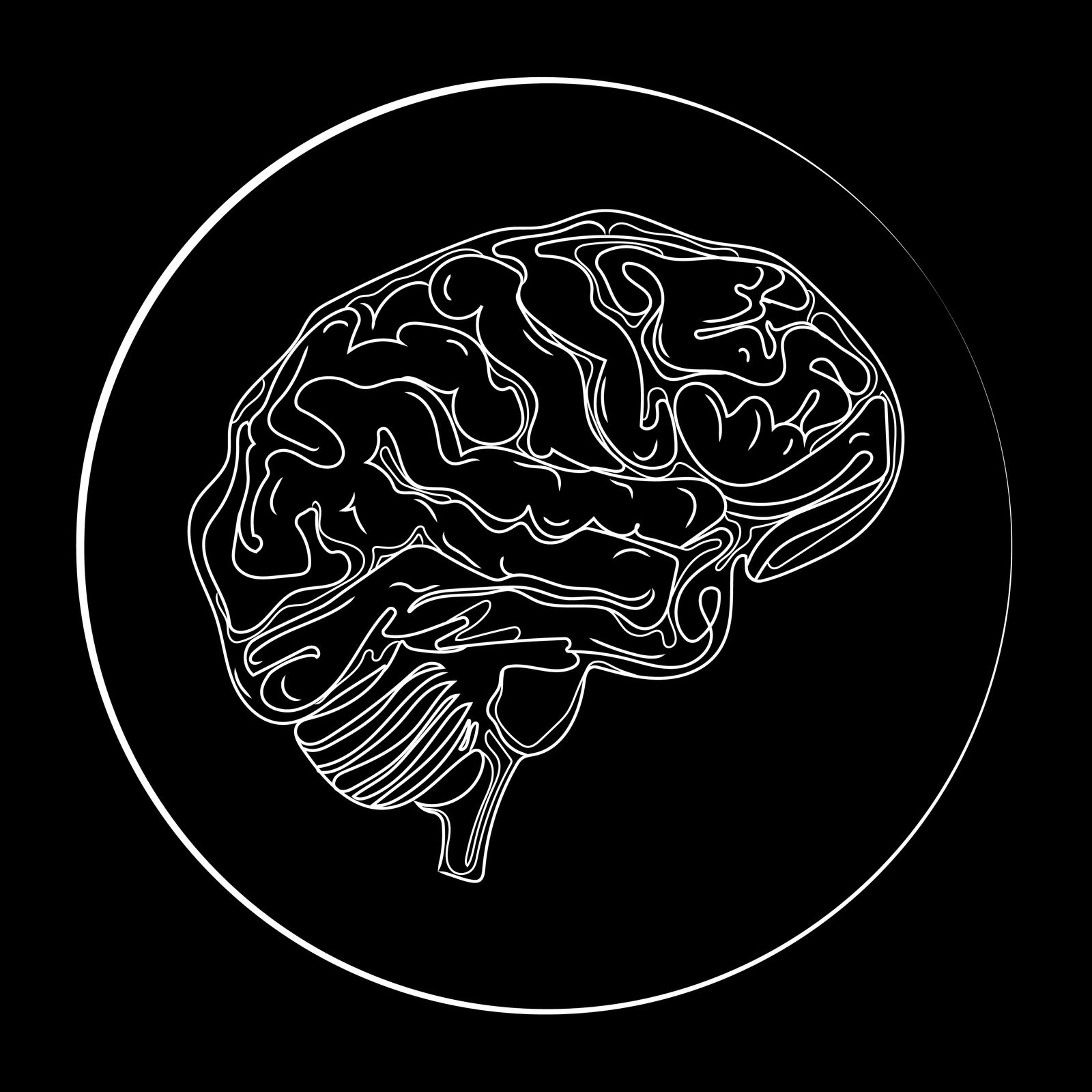
Sensory Motor Amnesia (SMA) is a term coined by the late Thomas Hanna to describe when your nervous system loses conscious control of your movement. This can happen when your body repeatedly responds to stress, movement, or postural demands. You can’t take these responses out of your life, but you can start to understand their effects on your body as you age and what to do about it.
To understand how SMA develops, we first need to understand the two basic categories of movement and how the nervous system adapts to learning movement. We can classify movements into two categories - voluntary and reflexive. Voluntary movements are initiated by the motor cortex and are movements you deliberately decide to do and must learn how to execute. Reflexive movements occur automatically and subconsciously without a voluntary decision to do them. They are automatic responses that allow you to respond almost instantly to stimuli. (I will discuss the three stress reflexes in more detail in future blog posts) Initially, both voluntary and reflexive movements occur and then cease completely. Once you decide to stop moving, or the perceived stimulus that triggered the reflex is done, your muscles stop contracting and you come to rest. As we will learn, it is a disruption to this occurrence that leads to those aches and pains commonly associated with aging.
Two changes occur to the nervous system as you learn a new movement. New neural pathways are created, modified, and strengthened and memory of this pattern moves to other areas of the brain to “free up space” for new learning and focus. The phrase “neurons that fire together wire together” applies here to illustrate the brain's ability to forge new connections based on repeated input. (1) Let’s use the example of learning to tie your shoe. At first, all those years ago, it felt awkward and difficult to move your fingers, hands, and the rest of your body in the way necessary to get those shoes tied. But, you practiced and practiced…focusing your attention on the movements necessary to learn this skill. Eventually, after enough repetition, new neural pathways were formed and then they became stronger and faster. From there your movement became more efficient, automatic, and reliable. You mastered the skill. The movement went from voluntary to automatic. The neural pathways were created and reinforced, and the instructions of how to tie your shoe can now shift to different areas of the brain to allow the nervous system to focus on those things that require conscious attention. This shift is necessary for survival and to allow you to learn new things. This example used a voluntary movement but the same holds true for reflexive movements as well. When you repeatedly perform a movement or posture, be it voluntary or reflexive, your nervous system adapts. The movement or posture gradually becomes automatic and you cease to have voluntary control of it. (I will discuss the effects of repeated reflexive movements in a future blog post). This adaptation has the positive effect of making you more efficient, but the negative effect of reducing your motor control, awareness, and sensations as you no longer consciously decide on your movement.
As I alluded to earlier, when you want to move, your brain sends a message to your muscles to contract. When the movement is complete, your brain stops sending your muscles the contraction message and your muscles automatically relax and return to their resting length. Your brain cannot give your muscles a message to relax, it can only stop giving a contract message. If your brain keeps giving a contract message to your muscles, then the relaxation phase doesn’t have an opportunity to happen completely. As we learned above, if you repeat the same posture or movement over and over again, your nervous system will adapt by forging new neural pathways to increase efficiency and you will slowly cease to have voluntary control over that movement or posture. So, when you repeat a movement or posture enough times, the muscles involved don’t complete their relaxation phase. They continue to hold residual tension and this becomes habituated.
This habituated residual tension and loss of voluntary control is sensory motor amnesia and can lead to all sorts of issues such as:
So, what is aging if not the effects of the passage of time on the body? With passing time comes more and more muscle contractions and, as we just learned, more and more possibility of held tension. This is why, as people get older, they tend to have complaints of pain, stiffness, and discomfort (barring any structural issues). The nervous system has adapted to the repeated instruction to contract muscles, and that constant contraction response has robbed the opportunity for the muscle to relax. Furthermore, the ever-adaptive nervous system integrates this new neural pathway of held tension and makes it automatic. This limits joint movement disrupts muscle function and leads to chronic tension (noticeable and not). So, it is sensory-motor amnesia that is the cause of aches and pains as we age.
But the good news is that what can be learned, can be unlearned! It is possible to retrain your nervous system to make that which has become unconscious, conscious again. We can consciously turn off the “contract message” to our muscles allowing for a chance for the muscle to relax. This, over time, will create new neural pathways, and with repetition, new motor patterns that are deliberate, feel good and use our muscle’s full contract and relaxation capacity. This is the power of somatic movements. With voluntary control, comes reduced pain, ease of movement, increased mobility, and more potential for effective strength and athletic conditioning. You can’t change the need to respond to your environment, be it through voluntary or reflexive movement. But you sure as heck can press the “reset button” so you don’t stay contracted when you don’t need to be!
Kazimira Mattes | JAN 16, 2023
Share this blog post
 OfferingTree