Restoring the Diaphragm-Pelvic Floor Connection through Somatic Movement
Kazimira Mattes | NOV 14, 2023
somatic movement
diaphragm
pelvic floor
diaphragm pelvic floor connection
core function
Restoring the Diaphragm-Pelvic Floor Connection through Somatic Movement
Kazimira Mattes | NOV 14, 2023
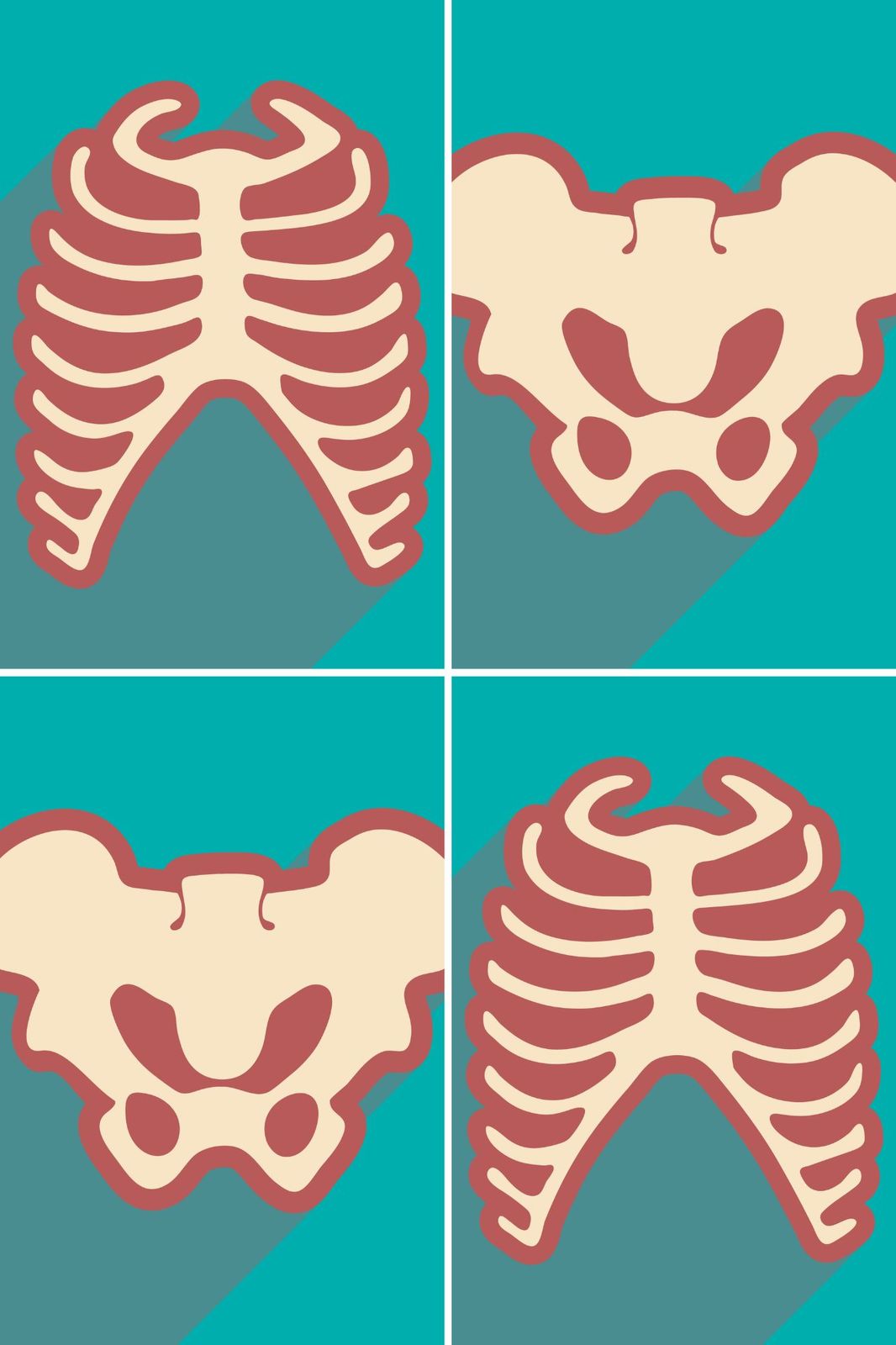
In somatic movement, we embark on a practice to restore fundamental functional movements, particularly those centered around the core of our body. An integral result of cultivating a liberated core is the improved connection and control between the diaphragm and pelvic floor. Somatic movement provides a distinctive approach to rejuvenating this vital connection, liberating the rib cage, enhancing breath and pressure management, and ultimately facilitating proper core canister function. In this blog post, we will delve into the diaphragm-pelvic floor connection and explore how somatic movement can play a pivotal role in enhancing this crucial function.
Let's first understand the diaphragm-pelvic floor connection, how they work together through breath and pressure management, and why this harmony matters.
The diaphragm, a dome-shaped muscle beneath the ribcage, plays a crucial role in the act of breathing. It contracts and relaxes, inducing changes in thoracic pressure that enable us to inhale and exhale. Simultaneously, the pelvic floor, a group of muscles at the base of the pelvis, aids in pressure management by supporting organs and maintaining posture and movement stability.
The diaphragm and pelvic floor are intricately linked through a continuous fascial network, working together harmoniously to support core stability, respiration, and overall well-being. During inhalation, the diaphragm contracts, moving downward and expanding the thoracic cavity, drawing air into the lungs. This action increases intra-abdominal pressure within the core canister, causing the pelvic floor to relax downward. This coordinated "receiving" of pressure facilitates efficient inhalation.
Conversely, during exhalation, the diaphragm relaxes and moves upward, compressing the thoracic cavity and expelling air. In this phase, the pelvic floor engages and lifts, offering crucial support and aiding in pressure management. This constant interplay resembles a piston, functioning seamlessly with every breath – diaphragm down, pelvic floor down during inhalation; pelvic floor up, diaphragm up during exhalation. This interplay provides stability to our core canister, supporting our entire body.
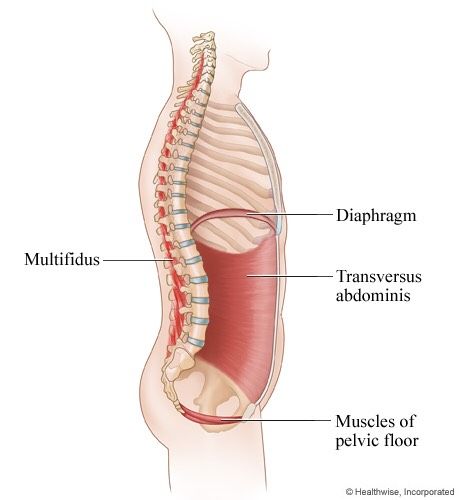
Visualizing the core system as a canister, with the diaphragm as the top lid, the pelvic floor as the bottom, and the back, front, and sides of the body holding everything in, highlights the necessity for this canister to remain intact. Disruptions, such as unconscious patterns of tension developed over time, can compromise this balanced canister. Whether it's tension in the back or front, pulling pushing, and arching, or one-sided tension causing bends and twists, these patterns disrupt the canister, hindering the diaphragm-pelvic floor piston's function and reducing core stability.
Habituated tension anywhere in the body can displace the core canister, disrupting the diaphragm-pelvic floor connection and foundational core stability.
Somatic movement provides a path to recognize and release habituated tension and regain lost control. It does this first by deepening sensory awareness. Tuning into our bodies, and recognizing tension, discomfort, and restrictions, particularly in the center, allows us to identify muscular holding patterns hindering balanced movement. Once aware, we can unwind these patterns through pandiculation – a technique somatic movement utilizes to restore a muscle's resting length, enhancing its ability to lengthen and contract optimally. This restoration facilitates proper function, allowing muscles to operate as designed. This allows us to regain lost control. With a new sense of control, we can relax and engage the center of the body appropriately promoting the function of the piston - harmonious breath, proper pressure management, and enhanced core stability.
Somatic movement practices offer a holistic approach to restoring the diaphragm-pelvic floor connection, emphasizing the release of tension and regaining control of the body's center. This restoration enables the body to move with greater ease and grace, enhancing breath and core canister pressure management by reinstating the diaphragm and pelvic floor connection.
Kazimira Mattes | NOV 14, 2023
Share this blog post
 OfferingTree